Complete Dental Care Solutions: Key Information for Optimal Oral Health
Extensive oral health services are fundamental in reaching and sustaining optimal oral health. Regular check-ups and preventive care can uncover concerns before they worsen, minimizing the need for extensive dental work. Emergency care addresses urgent problems, while cosmetic dental treatments can improve a person's look and confidence. Being aware of the different options and finding the ideal dental care provider is key. Taking action from this point could lead to significant improvements in individual oral hygiene and health.
The Importance of Regular Dental Check-Ups
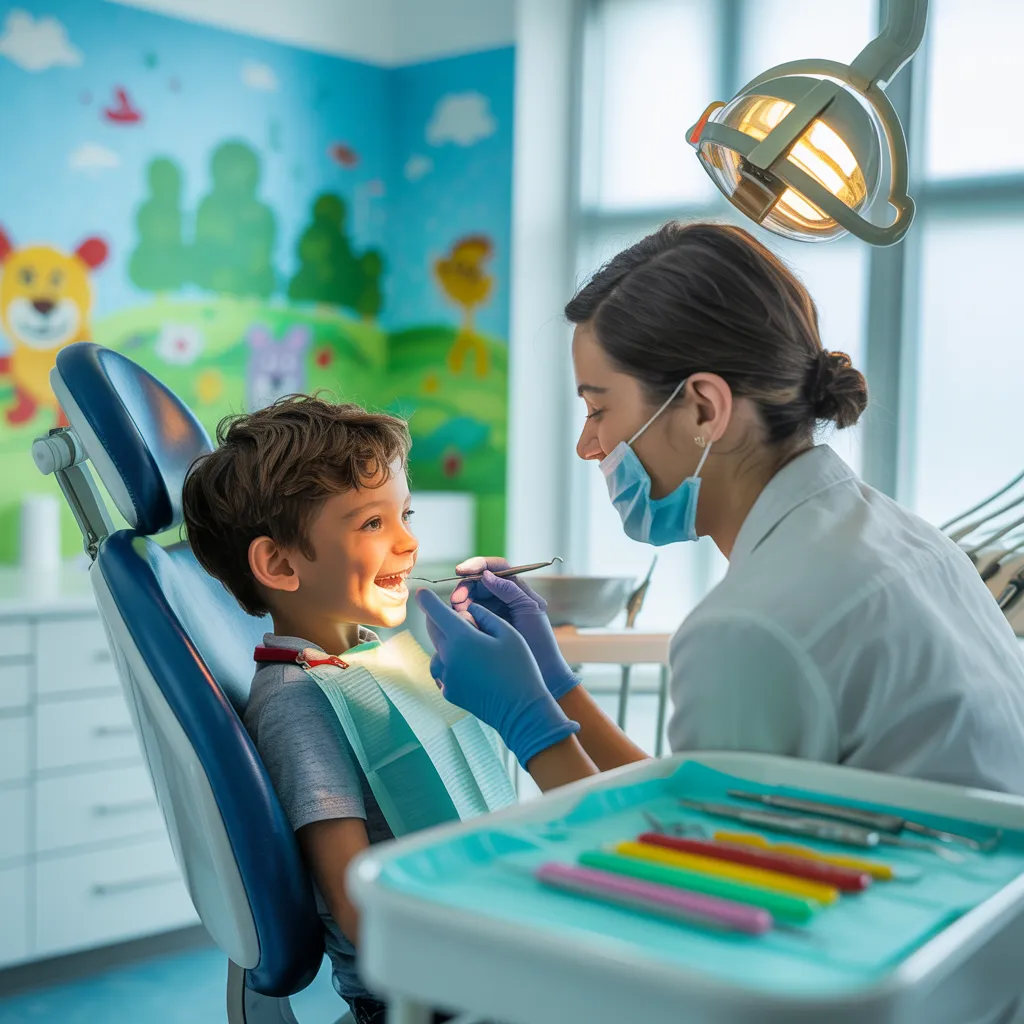
Although many may underestimate their significance, regular dental check-ups play an essential role in preserving optimal oral health. Such appointments enable oral health specialists to monitor the condition of the teeth and surrounding tissues, identifying potential issues before they escalate into serious problems. Prompt diagnosis of cavities, gum disease, or other oral health concerns can lead to more effective and less invasive treatments.
Furthermore, dental check-ups commonly consist of professional teeth cleanings that eliminate plaque and tartar, minimizing the chance of decay and preserving fresh breath. They also provide an opportunity for patients to obtain personalized tips on proper oral hygiene habits tailored to their individual needs.
Moreover, these check-ups strengthen a strong relationship between individuals and their dental providers, facilitating open communication about any issues. Consistent dental appointments fundamentally support long-term oral health, guaranteeing that people preserve a healthy smile and overall quality of life throughout their life journey.
Exploring Preventive Care and Its Advantages
Preventive care serves a vital role in preserving optimal oral health. Routine cleanings, along with sealants and fluoride treatments, greatly reduce the risk of cavities and gum disease. Appreciating these benefits enables people to make well-informed decisions regarding their dental health.
Routine Cleanings Importance
Regular dental cleanings act as a foundation of optimal oral health, emphasizing the importance of preventive care. These cleanings, typically recommended every six months, aid in eliminating plaque and tartar accumulation that routine brushing can overlook. By tackling these concerns, people can significantly lower their chances of developing cavities, gum disease, and additional oral health complications. Furthermore, professional cleanings enable dental professionals to detect early indicators of possible concerns, allowing for prompt treatment. This proactive approach not only maintains a healthy smile but also contributes to overall well-being. People commonly enjoy fresher breath and an enhanced appearance after cleanings, affirming the emotional rewards of consistent dental visits. Ultimately, investing in regular cleanings fosters a lifetime of peak oral health.
Fluoride And Sealants Benefits
When evaluating methods for supporting overall mouth health, the benefits of preventive dental care options become evident. A dental sealant is thin coatings placed on the occlusal surfaces of posterior teeth, successfully preventing dental caries by sealing grooves where bacteria and food particles tend to collect. This preventive measure is particularly beneficial for young patients, as their posterior teeth are often more susceptible to cavities.
Fluoride treatments, on the other hand, strengthen tooth enamel, making it more resistant to acid attacks from plaque and foods. Consistent application of fluoride can significantly lower the risk of tooth decay. Combined, sealants and fluoride establish a comprehensive strategy for preventive care, supporting lasting oral health and reducing the necessity for more invasive dental treatments down the line.
What to Expect During Your Regular Dental Check-Up?
A regular dental visit typically involves various key aspects aimed at helping to evaluate and preserve proper oral health. At the start, the dentist conducts a careful inspection of the teeth, gums, and mouth to pinpoint any conditions such as tooth decay, periodontal disease, or oral abnormalities. Subsequently, professional cleaning is performed, which involves the clearing of plaque and tartar accumulation, tooth polishing, and careful flossing to support healthy gums.
X-rays might additionally be obtained to detect underlying problems that are not apparent during the dental examination. The dental practitioner may discuss customized oral hygiene routines and nutritional guidance tailored to the patient's needs. Additionally, any necessary treatments or preventative steps, such as sealants or fluoride application, may be recommended. Overall, regular check-ups are essential for early detection of potential issues, supporting sustained oral wellness and reducing the risk of more significant oral health issues.
Emergency Dental Care: Key Services You Should Know About
Urgent dental care is vital for handling emergency situations that may arise at any time. Common dental emergencies include severe pain, broken teeth, and infections, all of which require immediate attention. Being aware of how to react and where to seek emergency dental services can play a crucial role in achieving positive treatment results.
Typical Dental Emergencies
Dental emergencies may develop suddenly, often causing significant pain and anxiety. Typical dental emergencies involve severe toothaches, which may indicate infections or cavities, and knocked-out teeth, demanding swift response to enhance the possibility of rescuing the tooth. Fractured or broken teeth can also lead to discomfort and may require urgent treatment. Further emergencies encompass abscesses, which can cause swelling and fever, and dental appliances that break or malfunction. Every one of these circumstances calls for immediate assistance from a dental specialist to prevent further issues and ease pain. Recognizing these typical emergencies empowers individuals to respond efficiently, guaranteeing that optimal oral health is preserved and avoiding lasting harm.
Immediate Care Procedures
Understanding urgent care steps is essential for managing dental emergencies effectively. When a dental crisis arises, timely intervention can greatly minimize injury and alleviate pain. Typical steps include supporting a weakened tooth, washing an avulsed tooth in salt water, and using an ice pack to decrease puffiness. For severe pain, non-prescription pain relievers may offer short-term comfort until dental treatment is obtained. In instances of blood loss, applying gentle pressure with a fresh bandage can assist in stopping it. Acknowledging the urgency of the situation is vital; some conditions may demand prompt expert examination. Ultimately, knowledge of these immediate care steps allows patients to respond quickly, securing the most favorable prognosis in dental emergencies.
Finding Emergency Dentists
Locating the search for emergency dentists can be overwhelming, especially during a crisis. Patients often face unexpected dental concerns, such as intense discomfort, broken teeth, or infections, necessitating immediate attention. To find an emergency dentist, one can begin by searching online directories and dental association websites. Reading reviews and testimonials can provide insight into a dentist's credibility and quality of care. It's also beneficial to seek recommendations from friends or family. Being aware of a dentist's office hours and whether they accept walk-ins is crucial, as many emergencies occur outside regular hours. Additionally, some dental practices offer around-the-clock services, guaranteeing prompt care when needed most, thereby alleviating the stress of unexpected dental emergencies.
Finding the Perfect Cosmetic Dental Procedure for Your Smile
What is the best way to determine the most suitable cosmetic dentistry option to achieve a better smile? People interested in cosmetic dental work should start by considering their specific needs and goals. A meeting with a skilled dental professional can offer helpful guidance, allowing patients to explore choices such as veneers, teeth whitening, or orthodontic solutions.
Additionally, elements such as one's dental condition, budget, and expected results are crucial factors in the process of making a decision. To illustrate, individuals with tooth discoloration could benefit from whitening treatments, while those with misalignment might consider clear aligners or braces.
It is crucial to weigh the advantages and disadvantages of each treatment option and be aware of the potential healing time involved. Conducting research and seeking recommendations can further inform choices, ensuring people select a procedure that matches their aesthetic preferences and overall oral well-being. In the end, the ideal cosmetic dental treatment can greatly boost one's confidence and overall smile.
Expert Dental Solutions: A Guide to Root Canals, Implants, and Additional Treatments
Comprehensive dental procedures include numerous treatments aimed at restore and enhance oral health. Within these options, root canal procedures are critical for rescuing teeth suffering from serious decay or bacterial infection. This procedure involves removing the infected pulp, carefully disinfecting the root canal, and sealing it to avoid additional complications.
Dental implants mark another remarkable milestone, delivering a long-term answer for tooth loss. They consist of titanium posts surgically inserted into the jawbone, acting as artificial roots for crowns that restore functionality and aesthetics.
Additional specialized treatments often include gum disease management through periodontal therapy and surgical dental procedures for complicated conditions. Every one of these interventions necessitates advanced expertise and specialized abilities, highlighting the critical need for professional expertise. With these specialized treatments, individuals can attain better oral health outcomes, improved function, and greater smile confidence. Being aware of these choices enables patients to make well-considered decisions concerning their dental treatment plan.
How to Find the Ideal Dental Provider for Your Situation
Selecting the right dentist can greatly influence an individual's oral health journey. Individuals should consider a number of factors to confirm they obtain quality care. To begin, reviewing credentials and experience is essential; a competent dentist should possess relevant licenses and have specialized training aligned with particular needs.
Next, evaluating the selection of services offered can aid in identifying if a dental provider supports personal oral health goals, such as standard dental visits or complex procedures.
Additionally, practical considerations such as proximity, business hours, and appointment options should be considered, as these can affect how frequently regular appointments are made.
Additionally, reviewing online feedback and requesting suggestions from reputable sources can supply useful perspective on a provider's credibility and patient contentment.
In conclusion, exploring insurance compatibility and financial options can aid in making an well-informed decision. By thoroughly researching these factors, individuals can identify a dentist that perfectly aligns with their unique needs.
Questions We Often Receive
How Frequently Should I Change My Toothbrush?
Professionals advise replacing a toothbrush every three to four months, or sooner if bristles show signs of wear. Routine replacement ensures efficient cleaning and preserves oral hygiene, helping to prevent plaque buildup and supporting overall dental health.
Are X-Rays at the Dentist Safe for Children?
Dental x-rays are widely regarded as safe for children when conducted properly. They use minimal radiation, and protective measures, like lead aprons, are employed. Regular monitoring guarantees their dental health while minimizing exposure to potential risks.
What Foods Should I Stay Away From for Better Oral Health?
To promote better oral hygiene, people should steer clear of sweet snacks, acid-rich foods, and tacky substances that adhere to tooth surfaces. Cutting back on carbonated drinks and minimizing refined carb consumption also contributes positively to sustaining improved oral hygiene and general well-being.
Does Stress Have an Impact on My Dental Health?
Stress has a profound effect on dental health by contributing to poor oral hygiene practices, teeth grinding, and jaw clenching. Such habits can result in increased wear on teeth, gum disease, and other dental issues over time.
What Are the Best Ways to Manage Dental Anxiety Before Appointments?
To address dental anxiety before appointments, people can engage in deep breathing exercises, imagine successful appointments, express anxieties to their dentist, book appointments at comfortable times, or explore mindfulness practices to cultivate tranquility and see this article minimize stress during dental procedures.
Comments on “How a Pediatric Dentist Helps Build Good Habits”